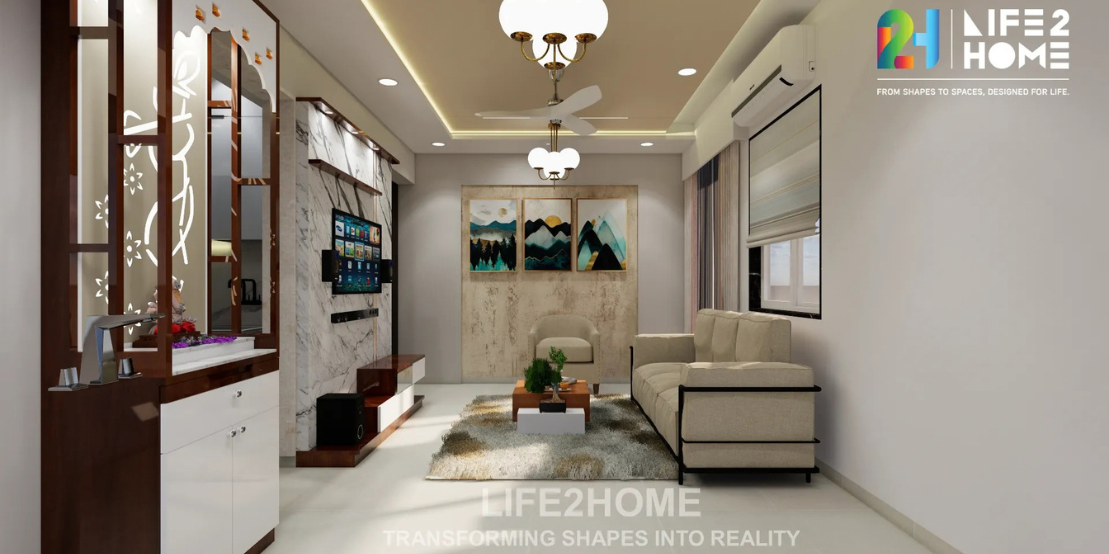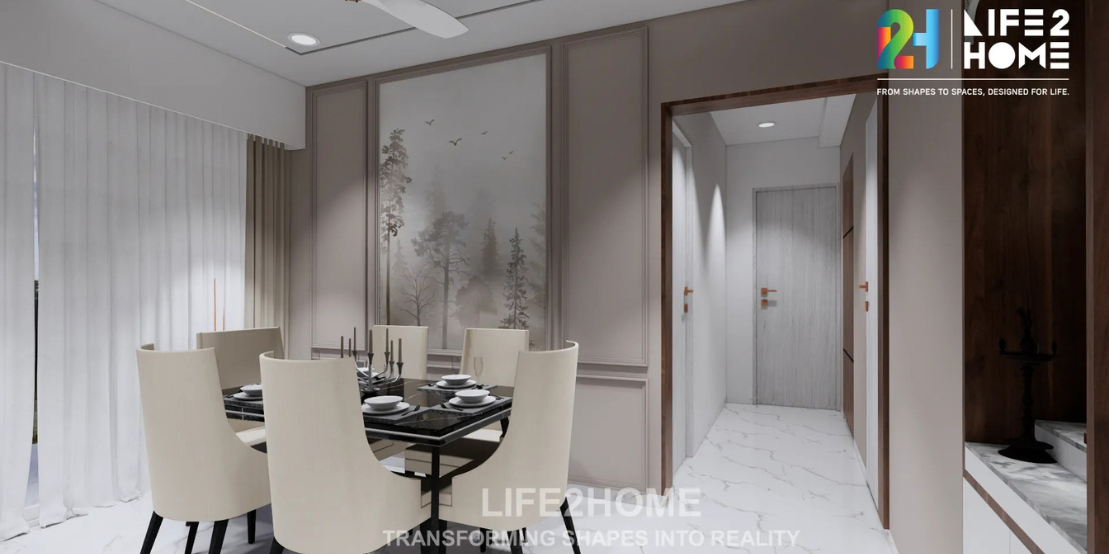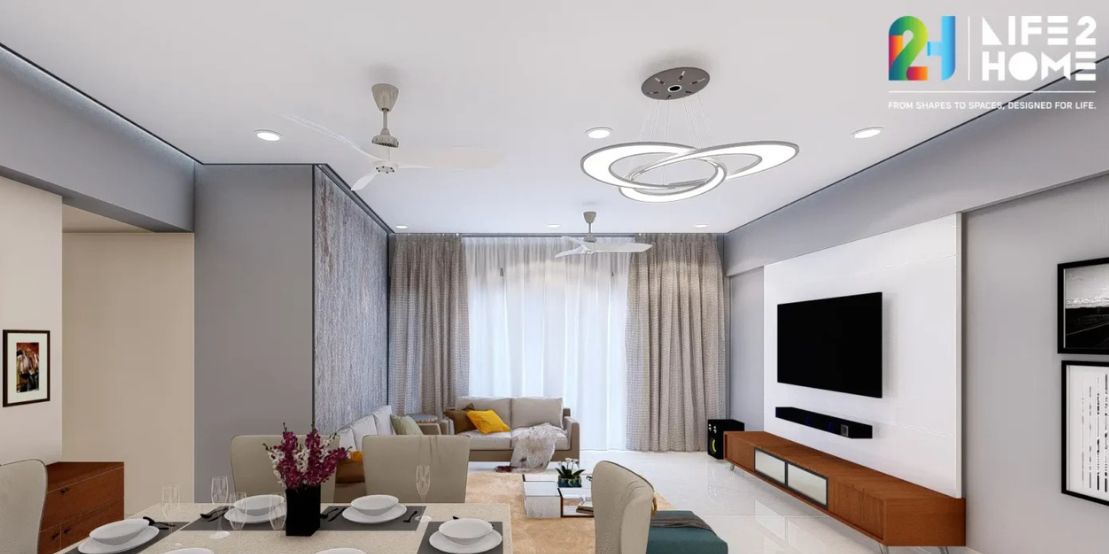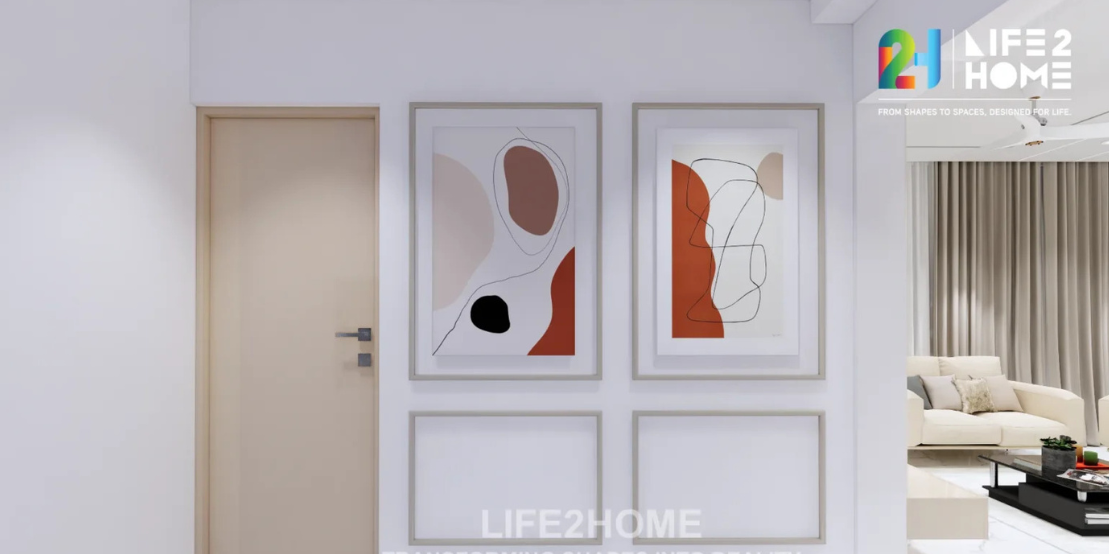
Building or buying a new home is a big step. Naturally, you want everything to look perfect. But when it comes to interiors, many homeowners feel confused. They like many styles. They save photos. They take suggestions from friends. In the end, nothing feels clear.
So how do you actually plan a Contemporary Interior Design for your new home without making costly mistakes?
Let’s understand it in a practical way.
Why Do So Many New Homes Look Good But Not Feel Comfortable?
This is a common problem.
People focus too much on looks. They copy a design from social media. They buy trendy furniture. They choose bold colours. But after a few months the home feels crowded or uncomfortable.
Contemporary Interior Design is not about copying pictures. It is about balance. It mixes style with daily comfort. That is why planning matters from day one.
Start With Your Lifestyle
Before choosing colours or furniture ask yourself simple questions:
- Do you work from home?
- Do you need extra storage?
- Do you prefer open spaces?
- Do you have kids or elderly family members?
Your answers will shape your design.
Many people ignore this step. Later, they realise the house does not match their daily routine. Professional Interior Design services usually begin with this discussion because good design always starts with understanding the family.
Keep the Layout Open and Practical
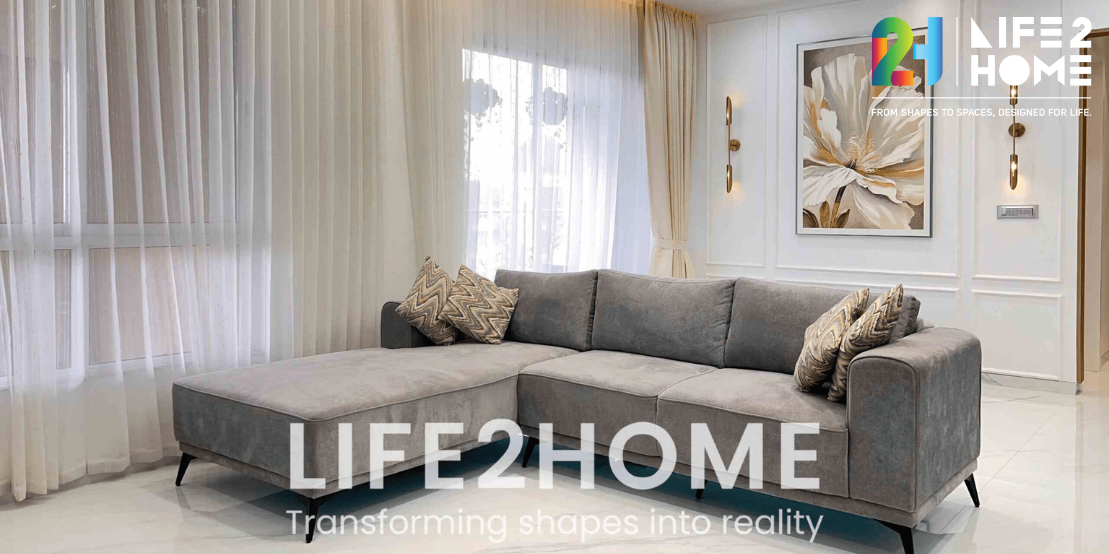
In Contemporary Interior Design, space is very important. The layout should feel open. You should be able to move freely.
Avoid blocking windows with heavy furniture. Allow natural light to enter. Use simple partitions if required, but do not divide the home too much.
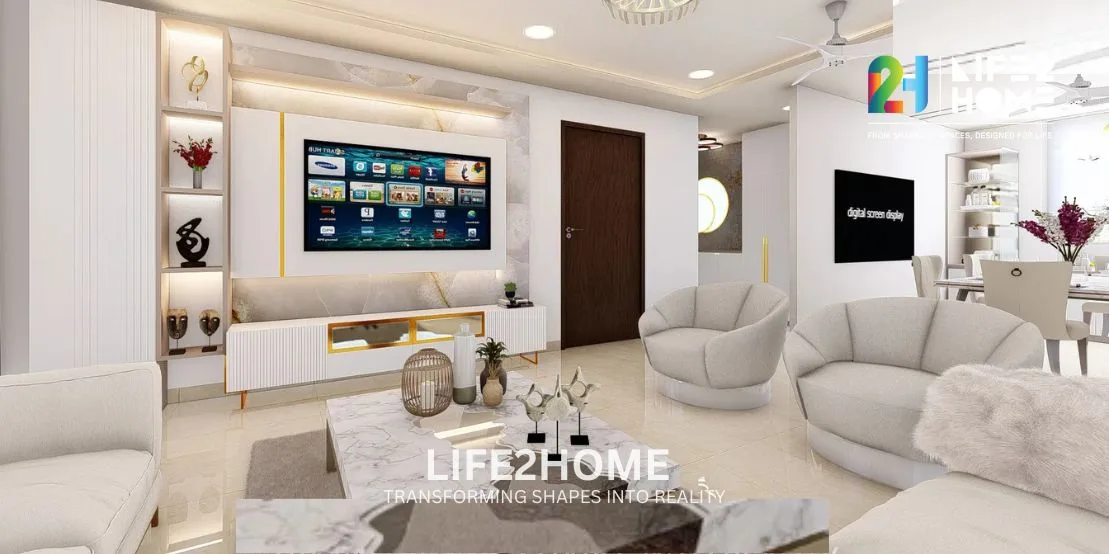
If you like a clean and simple look you can go for minimalist contemporary interior design. This style keeps only essential furniture. It removes unnecessary decoration. As a result the home feels calm and organised.
Choosing the Right Colours Makes a Big Difference
Colour selection can completely change the feel of your home.
Most modern contemporary interior design themes use neutral shades like white, beige, soft grey or warm brown. These colours do not go out of trend easily. They also make rooms look bigger.
If you enjoy bold shades, use them carefully. For example, one accent wall or statement chair is enough. Too many bright colours can disturb the balance.
When people skip professional Interior Design services, they often struggle with colour matching. Lighting also affects how a colour looks. That is why expert guidance helps.
Furniture Should Fit the Space, Not Fill the Space
One common mistake is buying furniture without proper measurement.
A large sofa in a small living room will make it tight. Too many chairs will block movement. Contemporary Interior Design prefers clean lines and simple shapes.
Straight sofas wall-mounted TV units, modular kitchens and sliding wardrobes work well. These elements support minimalist contemporary interior design and keep the house clutter-free.
Storage Is More Important Than You Think
Every new homeowner says, “We will manage storage later.” But later becomes a problem.
Shoes, bags, kitchen items, clothes — everything needs space. Without proper storage, even modern contemporary interior design will look messy.
Smart solutions include:
- Under-bed drawers
- Loft cabinets
- Pull-out kitchen units
- Hidden shelves
These keep the house neat without adding visual weight.
Lighting Can Change the Entire Mood
Lighting is often ignored in the beginning. But it plays a huge role in Contemporary Interior Design.
Use a mix of lighting:
- Main ceiling lights
- Cove lighting
- Bedside lamps
- Pendant lights above dining
Natural light is even more important. Avoid thick curtains that block sunlight. Soft layered lighting makes the home feel warm and welcoming.
Material Quality Decides Long-Term Satisfaction
At first glance, two homes may look similar. But after one year, the difference becomes visible.
Low-quality plywood may bend. Cheap hardware may rust. Laminates may peel.
That is why good Interior Design services focus strongly on material selection. They know what works in Indian climate conditions.
Planning your Contemporary Interior Design also means planning durability.
Why After-Service Matters So Much?
Here is an important question: What happens after the work is finished?
Many companies complete the project and disappear. But small issues can come later. Hinges may loosen. Minor adjustments may be needed.
That is why a 2-Year Post-Execution Service gives peace of mind. It shows commitment. It builds trust. Interior work is not just about installation. It is about responsibility after completion.
Minimalist or Modern – What Should You Choose?
Many homeowners ask this.
Minimalist contemporary interior design keeps things very simple. It uses fewer items and focuses on calm spaces.
Modern contemporary interior design allows slightly bold elements while keeping the structure clean.
You do not have to choose only one. You can mix both. Keep the base simple. Add one or two statement elements. That way, the home feels stylish but not heavy.
Final Thoughts
Planning a Contemporary Interior Design for your new home should not feel confusing or stressful. Take your time. Think about how you actually live every day. Focus on comfort, storage, lighting and long-term quality, not just looks.
Most importantly choose a team you can trust.
At Life2home, we believe good design is not only about making your home look beautiful. It is about making it practical, durable and easy to maintain. Our expert Interior Design services focus on smart planning, quality materials and smooth execution. And with our 2-Year Post-Execution Service, we stay connected even after the project is completed. That gives you complete peace of mind.
If you are planning your new home and want a well-balanced Contemporary Interior Design that truly reflects your lifestyle, connect with Life2home today.
Let’s create a space you will love living in — every single day.
FAQS
Yes. It works very well because it keeps the layout open and clutter-free.
It uses fewer elements and focuses more on simplicity and functionality.
Yes, but in balance. One feature element is usually enough.
They help in planning, material selection, execution and long-term durability.
It ensures support even after project completion. You feel secure and stress-free.