Introduction
The process of designing a home can be exciting initially. But then the choices start to pile up.
Design, furnishings, colors lighting flooring, kitchen rooms, as well as a host of other small details that are neglected all too often. In the end, what was like a fun, weekend-long project becomes an extra job.
This is the main way an interior designer professional earns their money.
A great designer does more than just making a house look appealing. They consider how the space will be used day-to-day as well as how the various pieces must cooperate, how much storage space you really require, and how you can keep everything within a budget.
If you’re moving into a brand new apartment, reworking a home that you’ve lived in for a long time or working on larger villa projects The right designer will transform an unfinished space into a space that is comfortable practical and personal.
The trick is choosing the right option.
The most affordable quote isn’t always the best option The most expensive designer might not be the best choice neither. What’s important is a designer who is able to comprehend what you’re looking for and communicates effectively without having to hunt them down and is able to carry the entire project from initial idea to design all the way to implementation.
This article explains the things an interior designer does, the various kinds that are available as well as how the interior design pricing is handled in India how it works, what the typical process is and what you need to think through prior to hiring a designer.
What Is an Interior Designer?
Interior designers design and creates interior spaces connecting comfort, function aesthetics, practical requirements into a single entire.
The work of designers usually begins before the furniture is picked or ornamental pieces. A designer may look over plans for the flooring, figure out how each space is actually used, determine the best furniture arrangement determine where storage space should be placed, and also plan lighting and electrical needs. They can also connect the colors, materials and furniture so that the house feels more connected instead of reading like the result of a collection of separate rooms that are stitched together.
In the case of residential construction, it could include bedrooms, living rooms kitchens, wardrobes, spaces for dining homes office spaces, fake ceilings walls, lighting and even custom furniture. Some firms also handle the management of projects and turnkey execution, letting homeowners can work with one team throughout the entire process instead of having to manage many.
What Does an Interior Designer Actually Do?
One of the most important elements in interior design the planning of space.
The designer analyzes the dimensions of every room and considers furniture dimensions, windows, doors and circulation prior to deciding on an arrangement. This is particularly important in apartment buildings, where every square foot needs to be able to earn its spot.
Furniture selection is another major aspect of it. Furniture that is standard doesn’t work for all rooms So a designer may suggest certain dimensions, or take for a customized option in cases where off-the-shelf furniture doesn’t perform.
Lighting plays a significant part too. Lighting for general purposes and accent lighting, task illumination, and decorative lighting all of which is able to be used in different ways in accordance with what a space’s purpose is.
The choice of materials is just as the material selection. Laminates, flooring, wood fabric, countertops and wall finishes, as well as hardware, it all should be in harmony with the style you’re trying to achieve and the way you live your life day-to-day.
Storage is another place where professional planning can make a visible impact. Cabinets for kitchens, wardrobes, television units, shoe storage and furniture that is custom made and more can be constructed to increase usable storage without ever feeling overwhelmed.
Behind all these individual decisions lies budget and project management. A clear plan cuts down on unnecessary modifications, helps avoid costly errors and generally makes the process of execution more manageable.
Why Should You Hire an Interior Designer?
Many homeowners really enjoy designing their own homes. Others prefer experts from the start.
Employing a designer can cut down on the number of choices you need to personally make. Furthermore, a skilled professional can spot things that might not be obvious to a person who’s seeing the space for the first.
A corner that isn’t ideal could be an incredibly useful storage. A narrow wall could make the space for a small workstation that nobody had would have thought to put in. Bedrooms could gain additional space for wardrobes without compromising comfort in the space.
Designers also consider the house as a whole thing rather than planning every room separately. This is what makes a true seamless relationship between your living area bedroom, kitchen, and everything else.
There’s an economic benefit also, but the objective isn’t necessarily to spend less. It’s about spending smarter. Established interior design firms typically already have connections with builders, contractors and carpenters, relationships which take a long time to establish from scratch. This existing network can cut down on the problems that arise from measurements and materials, installation along with general coordination.
The most important thing is that an excellent interior design should not make your home appear like an open-air showroom. The most beautiful interiors reflect the individuals who live there. your preferences, habits and storage problems, your favorite colours, and the everyday routine must be included when you design the space.
Types of Interior Designers
Interior design encompasses a diverse variety of areas of expertise.
Interior designers for residential spaces concentrate on apartments, homes villas, independent houses and other living spaces. They usually work on bedrooms, living spaces and kitchens. They also design wardrobes, kitchens, eating areas, and custom furniture.
Interior designers for apartments often concentrate particularly on making small spaces feel cozy and practical, as furniture dimensions, storage and mobility all count much more when there is a limited amount of floor space.
Interior designers in the villa generally are able to work with more space to play in that opens the doors to larger furniture, entertainment zones as well as closets with walk-in doors and even more intricate custom-designed ideas.
Interior designers who design for luxury are focused on top-quality materials, precise furnishings, customized finishes and luxurious lighting. However, while luxury does not necessarily mean extravagant decor, an carefully designed combination of premium materials and well-considered proportions can result in something truly extravagant without ever feeling overwhelmed.
Interior designers for commercial interiors work in restaurants, offices and clinics, retail stores, and hospitality properties, as the focus shifts to customer experience branding, identity, and functionality and how the company actually runs.
Kitchen designers are experts in what is arguably the most technologically demanding room in any house that focuses on the layout of cabinets and storage, appliances and countertops, lighting and general flow.
Popular Interior Design Styles in 2026
Interior design trends are always changing However, people are now attracted to spaces that are cozy and intimate rather than a cluttered, slick.
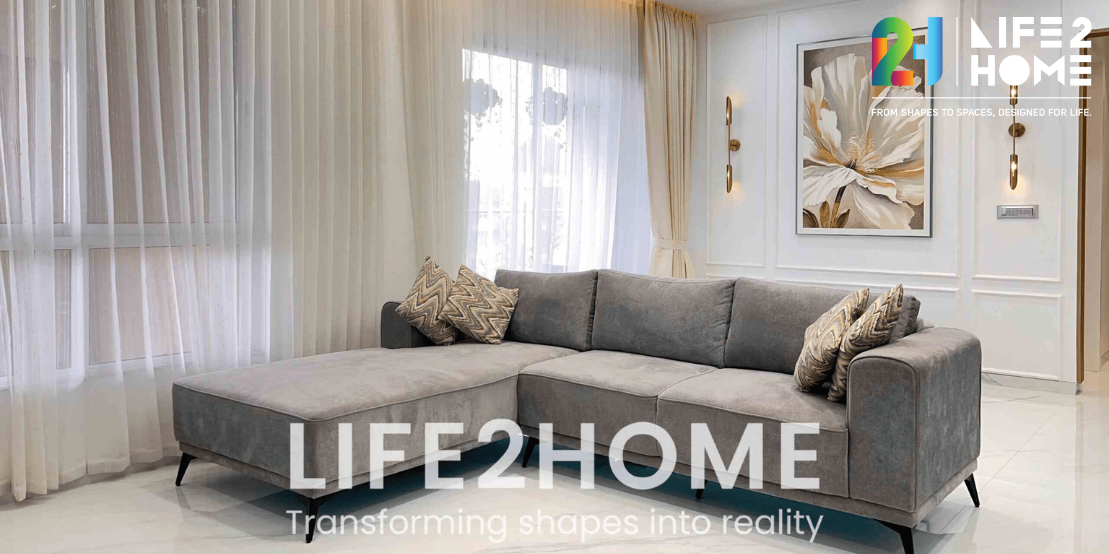
Modern interiors are extremely loved due to their clear lines, functional furniture and minimalist style. The minimalist style is focused on simplicity and purpose while warm minimalism incorporates natural colors, wood textures, soft fabrics, and soft lighting that makes the room seem more comfortable.
Japandi incorporates Japanese as well as Scandinavian influences, focusing on clean lines organic materials, soft hues and functional furniture. Scandinavian interiors are still popular with homeowners who want light spaces, natural textures and comfy furniture.
Modern Indian interiors blend modern planning and Indian materials, workmanship colors, and ornamental touches and makes a home feel modern but without losing its historical roots. Biophilic design is yet another well-known trend, which brings the natural elements, plants sunlight and earthy hues into your home.
Certain homeowners prefer modern, Art Deco, boho or more eclectic styles. It’s not about chasing the latest trends, but making sure that your home is a reflection of your personal tastes and the way you live.
How Much Does an Interior Designer Cost in India?
There isn’t a single design cost that is applicable to all homes in India.
The final cost is contingent on the location, city, size, the scope of work, the materials used furniture, degree of customisation, as well as the design’s pricing structure. A consultation for design only is typically less than a turn-key project encompassing design manufacturing, installation and project management.
This is the reason homeowners should be cautious when in comparing quotes. One quote could include furniture and design. A different one could exclude civil work appliance, electrical modifications or even specific materials completely.
Before you compare prices, ask for a clear scope of the work. With a service like Life2Home homeowners can go through their requirements and receive a specific estimate based on the actual project scope instead of using a generic estimate that was pulled from a search results.
The most effective method to comprehend the interior design costs is by looking at the whole project and understanding the exact details of what’s included, instead of focusing on a single number alone.
How to Choose the Best Interior Designer
The choice of an interior designer is among the most important decisions you’ll make during this entire process.
Begin by looking through the portfolio. Find projects that are that are similar to your home in terms of size, type of property and design specifications A designer who is familiar with smaller apartments could take on a larger villa differently than someone who creates luxury homes.
Don’t make a judgment based on one stunning image. Take a look at a variety of completed projects and evaluate the way they approach their work corresponds to your needs. Customer reviews can give valuable information about quality of execution, communication timelines, and after-sales services, which an unfinished photo cannot tell you.
Budget transparency is important equally. Find out exactly what’s included in the estimate and what elements could be an more cost in the future. It is important to know which brands and materials are being considered, as well as who’s responsible for the production and installation.
Prior to signing any documents, you should talk about the anticipated timeline and payment structure, the obligations, and how any modifications are handled after the project has begun.
Communication is not to be underestimated when it comes to communication. Designers may have an outstanding portfolio of work, yet if speaking to them isn’t easy and the task can become into a nightmare quickly. Find someone who truly listens to your thoughts, communicates their suggestions clearly and ensures you are informed throughout.
The Interior Design Process
Each business operates things slightly differently, however the majority of residential projects follow pretty similar structure.
It typically begins with a meeting with the designer, during which he is informed about your home, needs, lifestyle, preferences and budget. The measurement of the site will follow, allowing the designer be aware of the home’s dimensions and windows, walls, doors and other crucial particulars.
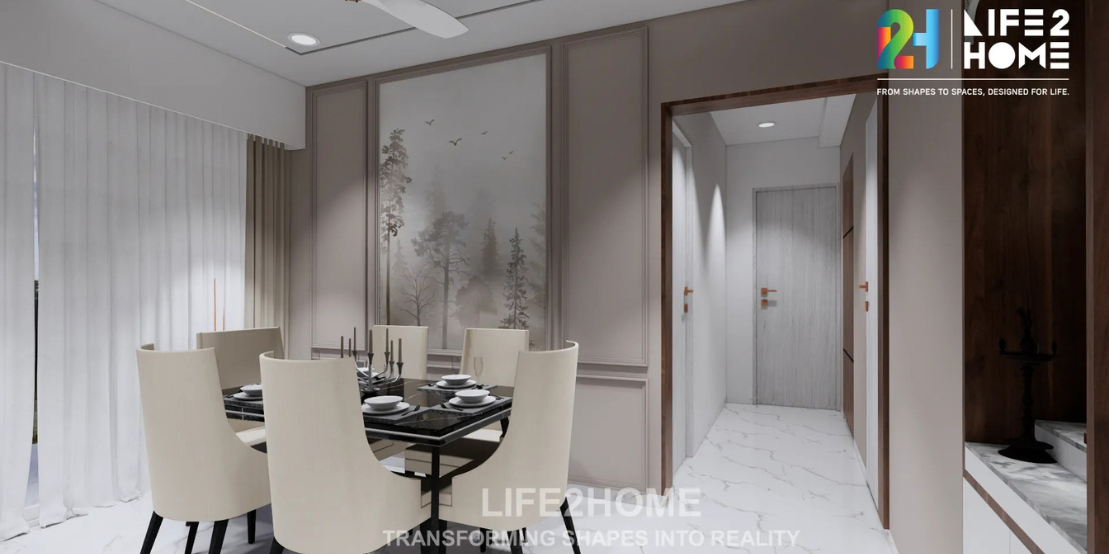
Then, the requirements are examined and a concept develops. Once the design is accepted, 3D visualisation helps homeowners understand how the proposed space will look prior to when construction commences.
Materials and finishes are chosen following that, cabinets, flooring and countertops, as well as fabrics as well as lighting components. When the budget and scope have been agreed, execution starts, including manufacturing and carpentry work painting, electrical work and installation are all planned before handing over the final touches.
A well-organized process reduces on confusion and helps keep the entire project on track without endless stalls.
Interior Design Ideas for Indian Homes
Indian homes usually have particular requirements that are worth addressing right from the beginning.
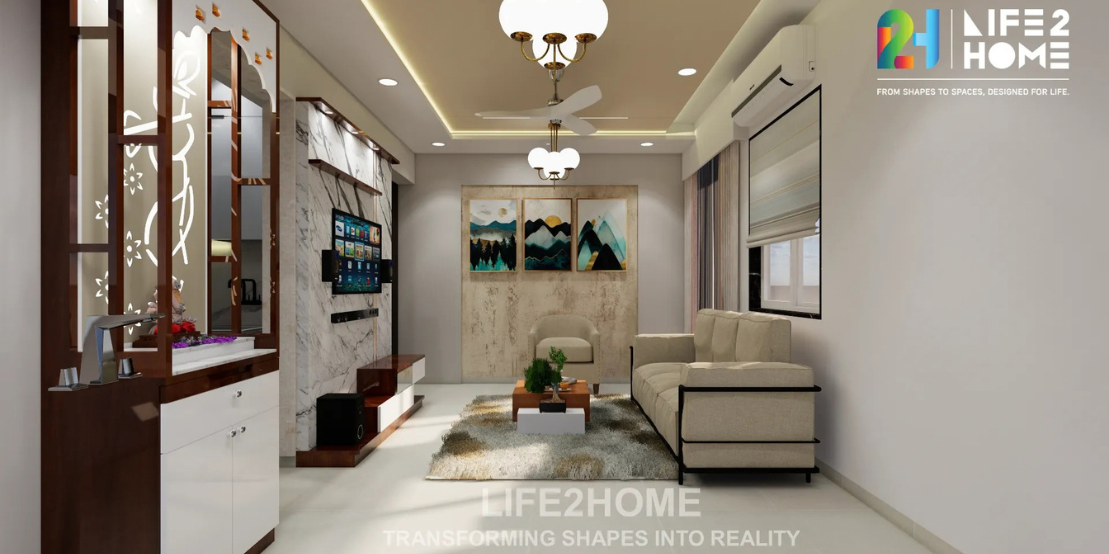
Storage is one of the most frequent problems. Custom cabinets, built-in wardrobes multi-functional furniture, as well as hidden storage help to stretch available space. Living rooms can incorporate relaxing seating with useful storage as well as a distinct visually appealing focal place.
Modular kitchens allow for organized storage, while making the layout flexible to the space available. Bedrooms should be designed to prioritize comfort over anything else, with a lot of attention paid to the bedroom, the bed, the wardrobe as well as bedside storage and lighting.
A pooja room could be created as a separate space as a wall niche or as a separate unit dependent on the space available and what the family’s needs are. Balconies can also be beneficial extensions of your home by having the proper seating, plants and lighting.
If Vastu principles are important to you, consider raising the issue at the very beginning instead of trying to impose significant modifications later. Natural sunlight, ventilation, as well as the right climate-friendly materials should be considered in the planning process, and not a last-minute addition after the design has been largely locked in.
Interior Design Trends in India for 2026
The design of interiors in 2026 continues evolving towards spaces that are cozy, practical, and truly personal.
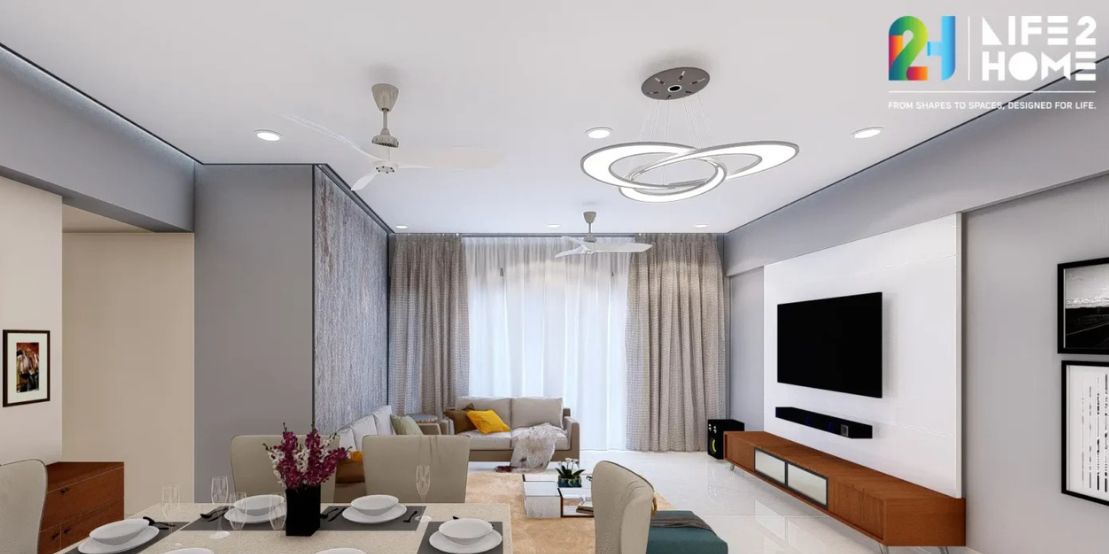
Warm minimalism is becoming more popular, because it combines minimalist designs by incorporating natural material and warm hues. Layered lighting is a different trend. Instead of relying on a single fixture, designers are mixing ambient, task as well as accent lights to make more flexible and flexible spaces.
Multifunctional rooms are becoming beneficial, particularly in urban homes. A guest room can be used as an office at home. A dining area could add storage space without a lot of hassle.
Personalisation is probably the most effective option of all. Instead of replicating the whole interior design seen through social networks, home owners are increasingly seeking spaces that reflect their lifestyle, preferences and personalities.
Interior Designer vs Interior Decorator
The words interior designer and decorator are often frequently used interchangeably however the duties can differ significantly.
A designer for interiors can be involved in the layout of spaces, space planning furniture arrangement, material selection lighting, electrical requirements and more extensive construction or renovation work. Interior decorators generally focus more on the aesthetics of a space furnishings, colors art, fabrics, and other items.
For a basic update, a decorator may suffice. If you are looking to build a new house or a complete renovation the complete overhaul the services of an interior designer are typically the best choice.
Questions to Ask Before Hiring an Interior Designer
Before signing a contract find out what the firm’s charges and what the quote includes. Find out if 3D visualization is part of this package. Also, ask who is responsible for the installation and contractors, what brands and materials are being discussed and what the anticipated timeline will look like.
It’s also important to know how modifications are handled after the design has been accepted. Know what happens if delays occur and if the firm offers warranty services or after-sales assistance. Make sure you know who your main contact person will be throughout the course of the project.
The answers to these questions can tell you the way in which the entire process will be handled.
Interior Designers in Pune and Other Indian Cities
Interior design requirements can shift quite a bit between cities.
Homeowners who are looking for interior designers in Pune may be thinking about homes or apartments across Hinjewadi, Wakad, Baner, Aundh, Kothrud, Pashan or Pimpri-Chinchwad. Local knowledge is a huge help here as designers who are familiar with the city are able to comprehend typical apartment layouts local contractors, local suppliers materials, and all types of practical needs that are asked of them time and repeatedly.
The same concept applies to other important Indian cities as well. The designer’s knowledge of local property and execution requirements will make the entire process much more smooth.
Life2Home offers residential interior design modular kitchens, customized furnishings, management of projects and complete home solutions looking for an integrated team that can manage the whole project.
Is Hiring an Interior Designer Worth It?
For many homeowners choosing to hire an interior designer can make the whole process much easier to manage. It’s not limited to the way that the final product appears.
A professional plan can enhance storage capacity, space utilization furniture arrangement materials, as well as coordination throughout the various phases of implementation. But, selecting the right designer is crucial. A beautiful portfolio alone doesn’t guarantee a smooth project.
Find a professional who has an authentic design talent with real-world experience in execution and a clear message. A professional who is knowledgeable of what you want to achieve and guide you through the process of making choices instead of simply telling you what your house ought to appear like.
How Long Does an Interior Design Project Take?
There’s no set timeline that is applicable to all projects.
A small apartment with little customization usually will take less time than a larger villa that requires massive civil works or custom furnishings. The design process alone may be a series of discussions and revisions, as well as manufacturing as well as installation and finalisation and then adding more time.
The most effective approach is to ask for a specific timeline prior to any work is started and knowing beforehand what might result in delays, material availability, design adjustments or even additional work to be that are discovered after the work has already begun.
Conclusion
Selecting the best interior designer comes to finding the perfect balance between design, function budget, and trust.
The top interior designers don’t simply make rooms that look nice in photos. They design homes that function in daily life. They consider the places where your possessions actually be stored, how you’ll get across the kitchen area, the areas where you’ll do your work at home as well as how you and your family use the living space and what makes your bedroom a comfortable place to sleep after an extended day.
If you’re considering comparing interior design firms, ensure you go beyond the initial quote. Check out portfolios, ask questions, know the entire scope of the project and ensure that the designer communicates clearly about the materials, cost and deadlines.
For homeowners living in Pune, Life2Home offers residential interior design modular kitchens, customized furniture Project management, 3D visualization, and turnkey solutions for interiors that are built around your individual needs.
Your home shouldn’t be like a person’s concept of the perfect home.
It should be like it is it’s yours.
If the design appears appealing it functions well, is natural and accurately reflects the individuals who live there then interior design has accomplished its job.
FAQ
1. How much does an interior designer cost in India?
Depends on property size, location, materials, design scope, customisation, and execution needs. A full turnkey project costs more than a design-only consultation. With Life2Home, homeowners get a detailed, project-specific quote rather than a generic estimate.
2. How do I find a good interior designer?
Start with portfolios and past projects. Then compare experience, communication, reviews, pricing transparency, materials, and after-sales support.
3. How long does an interior design project take?
Depends on property size, scope, customisation level, material availability, and execution requirements. Life2Home provides a project-specific timeline upfront.
4. What are the latest interior design trends in 2026?
Warm minimalism, natural materials, layered lighting, multifunctional spaces, organic forms, and more personalized interiors, styles Life2Home works with across its residential projects.
5. What’s the difference between an interior designer and decorator?
A designer handles planning and functionality. A decorator focuses more on furniture, colours, fabrics, and decorative touches.